Iran-Israel Conflict and the Strait of Hormuz Crisis — What It Means for US Export Routes, Vehicle Shipping, and Global Logistics
Global trade is built on predictability. Vessels depart on scheduled rotations, exporters plan shipments weeks in advance, and logistics networks operate on carefully synchronized timelines. When geopolitical conflict disrupts critical maritime corridors, that predictability quickly disappears.
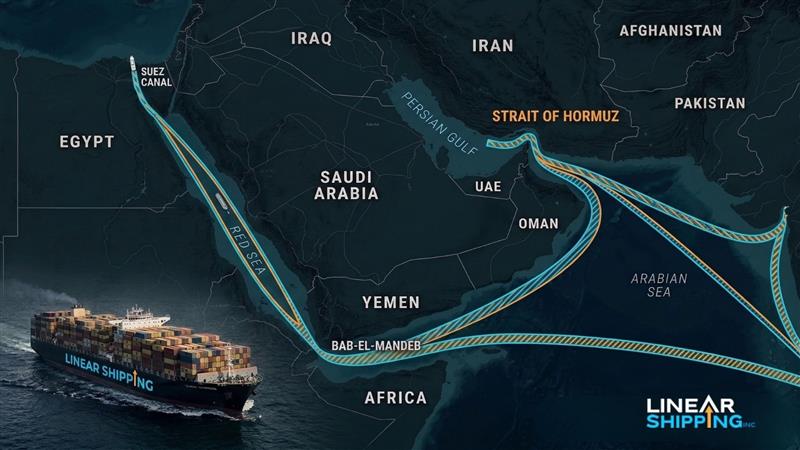
The current escalation between Iran, Israel, and the United States has placed one of the most important shipping corridors in the world under scrutiny: the Strait of Hormuz.
For exporters moving cargo from the United States to the Middle East, the implications are significant. Energy markets are reacting first, but global logistics networks are already adjusting vessel routing, insurance coverage, and freight pricing models.
For companies exporting vehicles, industrial equipment, and project cargo from US ports such as the Port of Houston, the situation introduces new layers of operational risk that require careful planning.
Why the Strait of Hormuz Matters to Global Trade
The Strait of Hormuz is one of the most critical maritime chokepoints in the global economy.
This narrow waterway connects the Persian Gulf to the Arabian Sea and serves as the primary passage for energy exports from major Gulf producers. A substantial portion of the world's oil and LNG shipments pass through this corridor before reaching markets in Asia, Europe, and North America.
But the importance of the Strait extends far beyond energy markets.
The corridor also serves as a gateway for containerized cargo, vehicle shipments, industrial machinery, and general cargo destined for major Gulf trade hubs such as Jebel Ali Port, Abu Dhabi, and ports across Qatar.
Any disruption in this passage immediately affects shipping routes, freight costs, insurance premiums, and vessel availability across multiple trade lanes.
For exporters in the United States, this creates ripple effects that can alter transit timelines and operational planning for shipments moving into the Middle East.
How the Conflict Is Affecting Global Shipping Routes
Shipping companies monitor geopolitical developments closely because even the perception of risk can influence maritime operations.
During periods of tension in the Gulf region, several operational changes typically occur across the industry:
- Vessel operators begin reassessing their routing decisions and may temporarily reduce sailings into higher-risk areas.
- Insurance providers often adjust maritime war risk coverage, which can significantly increase operating costs for vessels transiting the region.
- Energy market volatility also affects bunker fuel pricing, which directly impacts freight rates across global shipping networks.
When these factors combine, shipping routes serving the Middle East experience a period of operational uncertainty where capacity, cost structures, and schedules can fluctuate rapidly.
For exporters, the key challenge becomes maintaining supply chain continuity while navigating a shipping environment that can change quickly.
Impact on US Export Logistics
The United States maintains strong export links with the Middle East across multiple industries.
These trade flows include:
- Vehicle exports
- Industrial machinery
- Heavy equipment
- Energy infrastructure components
- General commercial cargo
Ports along the US Gulf Coast play an important role in supporting these trade lanes. The Port of Houston, in particular, serves as a major gateway for outbound cargo destined for Gulf markets.
During periods of geopolitical instability in the Middle East, exporters shipping from US ports may experience several operational challenges.
- Transit times can become less predictable as vessels adjust routes or delay departures.
- Insurance costs for vessels entering the Gulf region may increase due to heightened risk assessments.
- Freight carriers may introduce temporary surcharges related to fuel volatility or security considerations.
None of these factors necessarily stops trade, but they introduce variables that exporters must actively manage.
Vehicle Exports from the United States to the Middle East
One of the most active export segments between the United States and the Gulf region is vehicle shipping.
Used cars, commercial vehicles, and specialty vehicles are routinely exported from American ports to markets across the Middle East where demand for US vehicles remains strong.
These shipments typically move through two primary shipping methods.
RoRo shipping allows vehicles to be driven directly onto specialized vessels designed for automobile transport.
Container shipping is often used for high value vehicles, specialty cars, or shipments requiring additional protection.
Both shipping methods rely on stable maritime routes and predictable vessel schedules.
When geopolitical tensions emerge in the Gulf region, exporters moving vehicles into markets such as Dubai or Abu Dhabi must pay close attention to scheduling changes, carrier advisories, and insurance updates.
Transit planning becomes especially important when shipments involve large vehicle volumes or commercial fleets.
Freight Costs and Insurance Volatility
One of the most immediate effects of geopolitical conflict on shipping markets is cost volatility.
Energy price movements influence bunker fuel costs, which in turn affect freight pricing.
At the same time, maritime insurance markets react quickly to elevated regional risk levels. War risk premiums may increase for vessels entering the Gulf region, and carriers sometimes pass these additional costs through to shippers.
While these adjustments vary depending on market conditions, they contribute to a broader environment where exporters must carefully monitor cost exposure.
For companies managing large export volumes, proactive logistics planning becomes essential to maintain cost stability.
What Exporters Should Consider During the Crisis
Periods of geopolitical disruption require exporters to adopt a more structured approach to logistics planning.
Rather than relying solely on standard shipping schedules, exporters should focus on operational visibility across the entire shipment lifecycle.
Several strategic practices become especially important during uncertain conditions.
Maintaining close communication with logistics providers helps exporters stay informed about route changes, vessel scheduling adjustments, and cost developments.
Planning shipments with adequate lead time allows flexibility if carriers adjust sailing schedules.
Diversifying shipping options across container and RoRo services can also provide additional operational resilience when certain routes experience disruptions.
These strategies help exporters maintain continuity even when global shipping networks face unexpected pressure.
A Logistics Industry Perspective
While geopolitical tensions often dominate headlines, the logistics industry typically adapts quickly to evolving conditions.
Shipping networks are designed with flexibility in mind, allowing carriers, ports, and logistics providers to adjust operations when global events affect trade corridors.
For exporters moving cargo between the United States and the Middle East, the key priority remains maintaining supply chain continuity while managing risk exposure.
Companies with experience operating across US export terminals and Gulf destinations are better positioned to help exporters navigate these periods of volatility.
We at Linear Shipping continue monitoring developments affecting Middle East trade routes and remain engaged with exporters whose shipments may be influenced by changing maritime conditions.
Looking Ahead
Global trade has always operated alongside geopolitical uncertainty. Maritime shipping networks have historically adapted to political tensions, economic disruptions, and evolving security environments.
The current situation surrounding the Strait of Hormuz is another reminder of how closely global logistics is connected to regional stability.
For exporters shipping vehicles, heavy equipment, and industrial cargo from the United States to the Middle East, the priority remains clear: maintaining operational visibility, planning shipments carefully, and working with experienced logistics partners capable of navigating changing conditions.
As developments continue to unfold, the logistics industry will closely monitor the situation while ensuring that global trade flows remain as stable as possible.