FAK (Freight All Kinds): The Shipper's Strategy for Simplified Pricing
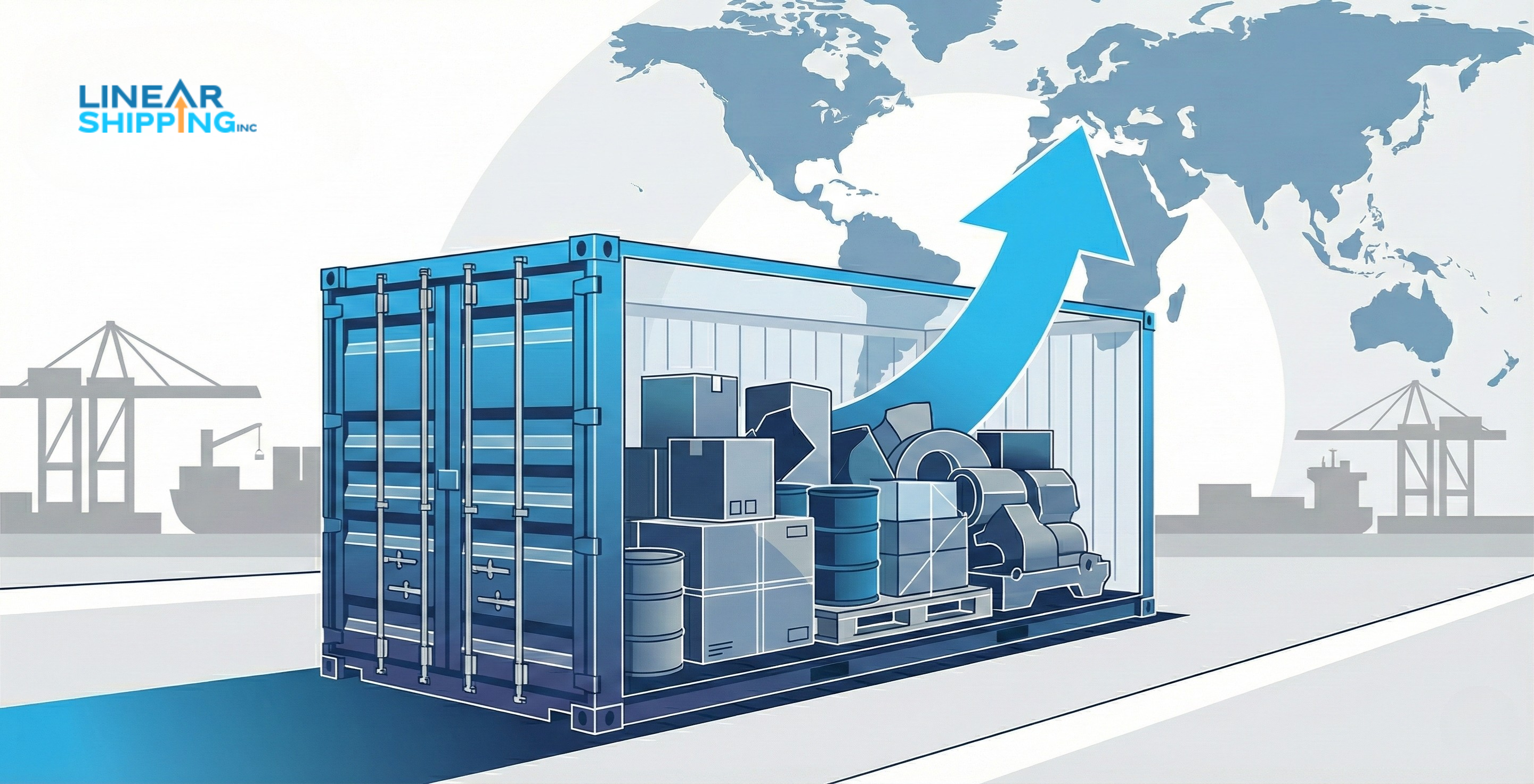
Shipping a container with a single product type is straightforward. Complexity begins when a shipment includes multiple SKUs across different commodity classes such as auto parts, textiles, and molded plastic goods in the same container.
Under traditional pricing models, each commodity may be rated differently. This leads to multiple classifications, inconsistent quotes, and unpredictable landed costs. This is where Freight All Kinds, commonly referred to as FAK, becomes a strategic pricing mechanism rather than a simple convenience.
For shippers managing mixed or evolving cargo profiles, understanding how FAK works is essential not only to simplify billing but to control cost exposure and reduce operational friction.
What Does Freight All Kinds (FAK) Actually Mean?
FAK is a pricing agreement between a shipper or forwarder and a carrier. Instead of rating each individual commodity inside a container, the carrier applies a single flat rate to the entire shipment.
Traditional freight pricing relies on classification systems that account for density, stowability, handling requirements, and liability. A low-density product and a heavy industrial item would normally attract very different rates.
Under an FAK agreement, these differences are averaged into one negotiated rate, provided the cargo remains within the approved commodity scope.
Why Shippers Use FAK Instead of Itemized Rating
FAK is most effective when simplicity and predictability matter more than optimizing rates at the SKU level.
Shippers commonly use FAK because it offers predictable billing. One rate and one invoice reduce reconciliation time and accounting complexity.
Quoting and booking also become faster. Rates remain usable even when product mixes change slightly, eliminating repeated renegotiations.
FAK can also reduce effective costs for higher-rated commodities. When bundled with lower-rated goods, expensive freight often moves at a lower average cost.
For exporters and importers operating regular shipments into major trade lanes, these efficiencies add up quickly.
What FAK Does Not Mean
A common and costly misconception is assuming that Freight All Kinds means anything can be loaded into the container. This is not the case.
FAK agreements almost always include exclusions. These typically involve hazardous materials, high-value cargo that exceeds standard liability thresholds, and temperature-controlled or perishable goods.
If excluded cargo is loaded without approval, carriers may invalidate the FAK rate and reclassify the shipment at the highest applicable tariff. This can result in unexpected charges, shipment holds, or penalties.
FAK simplifies pricing, but only when compliance is managed correctly.
Why FAK Requires an Experienced Freight Forwarder
FAK pricing is volume-driven. Carriers generally reserve their most competitive FAK tiers for shippers moving consistent container volumes on defined trade lanes.
This creates a challenge for small and mid-sized businesses that ship mixed cargo but do not move enough volume individually to negotiate favorable terms.
This is where an experienced freight forwarder plays a critical role. By aggregating volume, validating commodity eligibility, and aligning documentation with carrier agreements, forwarders make FAK programs accessible without exposing shippers to compliance risk.
Linear Shipping supports FAK shipments by structuring carrier agreements around approved commodity profiles, ensuring that mixed cargo moves under valid terms rather than assumptions. This experience becomes especially important when shipments involve frequent SKU changes or high-value industrial components.
How to Use FAK Correctly in Your Logistics Strategy
FAK should be applied intentionally, not automatically.
Before booking under an FAK rate, shippers should confirm that all commodities are approved, verify that the rate applies to the specific trade lane, and ensure documentation accurately reflects the cargo mix.
As product lines evolve, FAK eligibility should be reviewed regularly. When managed correctly, FAK simplifies pricing without introducing risk and allows mixed cargo to move efficiently with predictable costs.
FAQs
1. What is FAK shipping in international freight?
FAK shipping is a pricing agreement where a carrier applies a single flat rate to a container regardless of the individual commodity classifications inside, as long as the cargo falls within approved categories.
2. When should exporters use FAK instead of itemized freight rates?
Exporters should use FAK when shipping mixed or changing product types, when billing predictability is important, and when frequent reclassification would otherwise slow down quoting and booking.
3. Does FAK mean all cargo types are allowed in one container?
No. FAK agreements include exclusions such as hazardous materials, high-value goods, and temperature-controlled cargo. These must be approved separately to avoid penalties or rate invalidation.
4. Is FAK shipping cheaper than standard container pricing?
FAK can reduce overall costs for mixed shipments, especially when higher-rated commodities are bundled with lower-rated goods, but savings depend on cargo eligibility and carrier agreement terms.
5. Why is a freight forwarder important for FAK shipments?
A freight forwarder ensures that all commodities are approved under the FAK agreement, aligns documentation with carrier rules, and prevents misclassification that can lead to re-rating or shipment delays.
Strategic Takeaway
FAK is not about shipping everything at one price. It is about simplifying complexity while staying compliant.
For shippers moving diverse cargo internationally, FAK can be a powerful tool when applied with discipline and oversight. The most effective FAK strategies balance pricing simplicity with operational accuracy, preventing costly surprises while keeping supply chains efficient.