Difference Between FAK and Commodity Freight
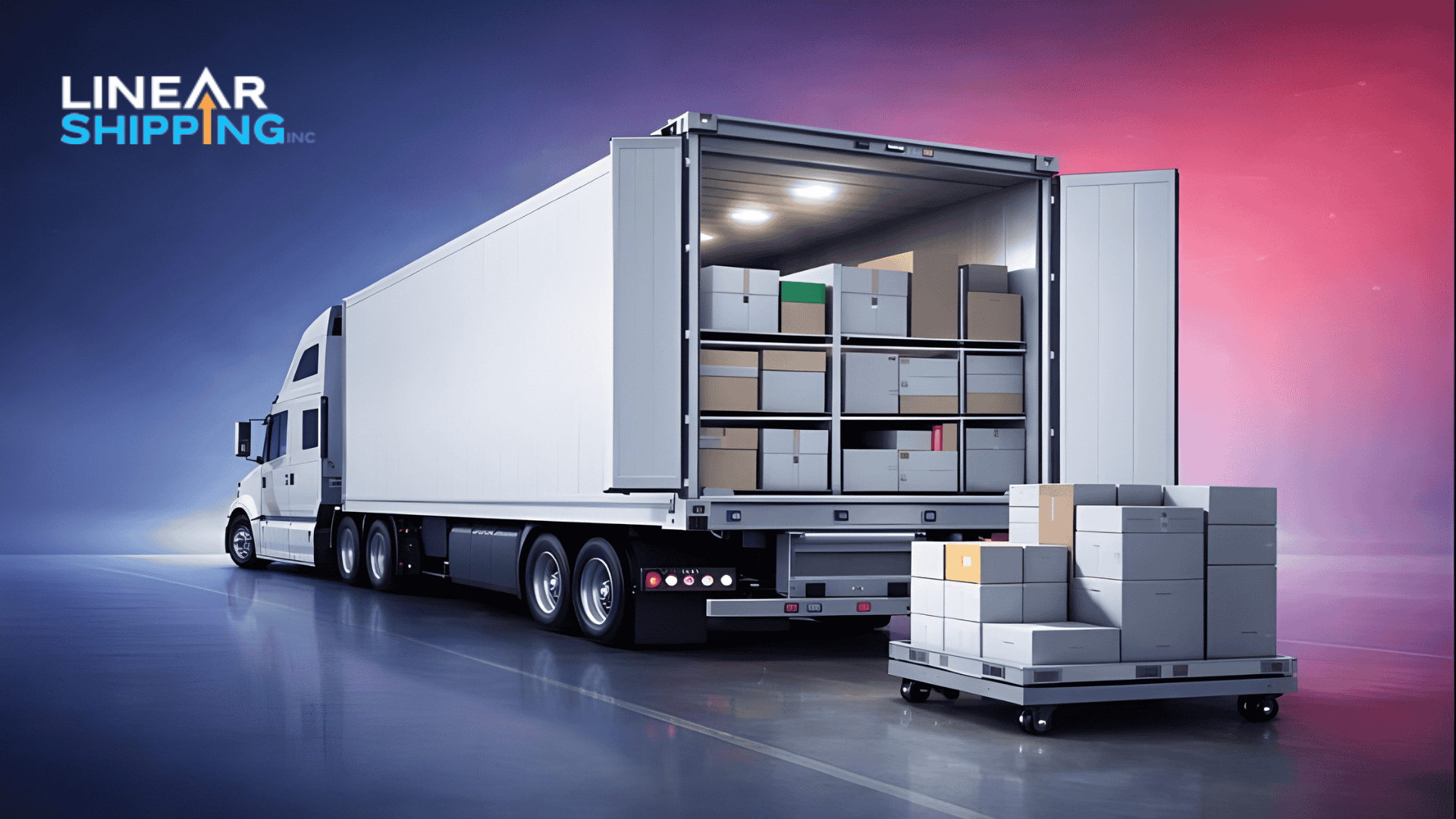
Global logistics relies on precision. Shippers constantly navigate the complex trade-offs between cost efficiency and cargo security. When negotiating rates with carriers or a Non-Vessel Operating Common Carrier (NVOCC), two primary pricing structures emerge. These are Freight All Kinds (FAK) and Specific Commodity Rates.
Understanding the nuance between these classification methods is vital for optimizing your supply chain. The choice impacts not only the shipping rate but also space availability, customs handling, and long-term contract stability. This guide explores the technical and strategic differences to help you make informed logistics decisions.
What is FAK (Freight All Kinds)?
Freight All Kinds, commonly abbreviated as FAK, is a pricing classification that allows different types of goods to be shipped at a single unified rate. Carriers utilize this method to simplify billing and maximize container utilization. Instead of negotiating a unique price for every item on a manifest, the carrier charges a flat fee for the space the cargo occupies, regardless of the specific nature of the goods (with exceptions for hazardous or high-value items).
This model is particularly advantageous for freight forwarders and shippers with diverse cargo mixes. For example, a consolidator shipping electronics, textiles, and plastic goods in one Less than Container Load (LCL) can utilize FAK rates to avoid complex calculations for each HS Code.
The Strategic Advantage of FAK
The primary benefit of FAK is administrative efficiency and flexibility. High-volume shippers prefer this model because it streamlines the quoting process. You do not need to declare the specific commodity details at the booking stage to secure a price. This flexibility is crucial when supply chain demands fluctuate rapidly.
Shippers looking to leverage this simplified structure should explore our specialized FAK services to streamline their operations. We negotiate aggressive FAK tiers that protect your margins against market volatility.
What are Specific Commodity Rates?
Specific Commodity Rates operate on the opposite spectrum of pricing logic. These rates are tailored to the exact type of cargo being transported, defined by its Harmonized System (HS) Code. Carriers analyze the characteristics of the goods, such as density, value, stowability, and risk, to determine the freight rate.
Commodity-specific pricing is often required for:
- Hazardous materials (HazMat)
- Perishables requiring reefer containers
- Scrap materials or waste
- High-value electronics
- Raw agricultural products
In this model, the "what" matters more than the "how much." A container of feathers will be priced differently from a container of steel parts due to the difference in weight and liability, even if the volume is identical.
Key Differences Between FAK and Commodity Freight
Distinguishing between these two pricing models requires analyzing three core areas: pricing stability, operational flexibility, and cargo eligibility.
1. Pricing Dynamics and Volatility
FAK rates are generally higher than the lowest possible commodity-specific rate but offer a "middle ground" average that simplifies budgeting. However, FAK rates are often subject to General Rate Increases (GRI) and peak season surcharges more frequently than fixed commodity contracts.
Specific Commodity Rates can offer significant savings for low-value or high-density goods. For instance, shipping raw scrap metal often commands a lower rate than finished retail goods because the liability for the carrier is lower. Conversely, high-risk commodities will attract premium pricing well above the FAK average.
2. Operational Flexibility and NVOCC Relations
Operational ease is where FAK shines. It allows an NVOCC to mix freight from multiple customers into a single console box without recalculating costs for every pallet. This speed facilitates faster booking and loading.
Commodity specific freight requires rigorous documentation. If the Bill of Lading does not exactly match the booked commodity, carriers may impose misdeclaration fines or hold the cargo. This rigidity requires a partner who understands compliance. It is critical to choose an international freight forwarder in the USA who possesses the expertise to manage these specific declarations correctly.
3. Space Protection and Allocation
Carriers prioritize cargo differently based on yield. In tight markets, specific commodity freight (especially high-paying reefer or hazardous cargo) may get space priority over generic FAK bookings. FAK cargo is sometimes the first to be rolled (delayed) by steamship lines during capacity crunches because it is viewed as lower yield or replaceable general cargo.
Strategic Selection for Your Supply Chain
The decision between FAK and commodity-specific rates depends on your volume and cargo diversity.
Use FAK when:
- You ship a wide variety of general cargo.
- You need immediate quotes and booking speed.
- Your goods are standard dry cargo with no special handling requirements.
Use Commodity Specific Rates when:
- You ship high volumes of a single raw material (like grain, ore, or scrap).
- Your cargo is hazardous or requires temperature control.
- You are negotiating a long-term annual contract for a stable product line.
Optimizing your freight spend requires a mix of both strategies. Experienced logistics managers often lock in commodity-specific rates for their core business while maintaining FAK agreements for spot shipments and miscellaneous goods.
Frequently Asked Questions
What is the main difference between FAK and commodity rates?
FAK (Freight All Kinds) applies a single unified rate to various types of goods to simplify billing, whereas commodity rates are pricing tiers based specifically on the nature, value, and HS Code of the cargo being shipped.
Does FAK cover hazardous materials?
No. FAK rates generally exclude hazardous materials. Hazardous cargo requires specific commodity declarations and pricing due to the extra safety measures, liability, and specialized handling required by the carrier.
Why are commodity specific rates sometimes cheaper than FAK?
Commodity-specific rates can be cheaper for low-value or high-density goods (like waste paper or scrap metal) because carriers price them lower to fill capacity without assuming high liability. FAK represents an average market rate for general goods.
How does HS Code affect freight rates?
The HS Code tells the carrier exactly what the item is. This code determines the duties, tariffs, and eligibility for specific commodity rates. Inaccurate HS Codes can lead to inspections, fines, or the re-rating of freight charges.
Can I switch between FAK and commodity rates?
Yes. Shippers can utilize both pricing models depending on the shipment. A competent freight forwarder will analyze your specific shipment manifest to determine whether filing it as FAK or a specific commodity will yield the better cost and service combination.
Final Takeaway
Navigating freight rates requires more than just a spreadsheet; it demands a strategic partner. Whether you need the flexibility of FAK for general cargo or the precision of commodity specific rates for specialized goods, Linear Shipping delivers.
Our team analyzes your supply chain to secure the most competitive pricing structures available in the market. We ensure you never overpay for general freight or risk compliance issues with sensitive commodities. Do not leave your shipping costs to chance. Contact Linear Shipping today to optimize your logistics strategy and protect your bottom line.